![[Staging: The Hiking Adventure]](https://staging.thehikingadventure.com/wp-content/uploads/2021/10/The-Hiking-Adventure-logo-high-res.png)
If you feel like your heel lifts out of your shoes when hiking, that is heel slippage. It’s something most of us have had to deal with at some point, so we’re going to tell you how to fix heel slippage in boots.
But if your new pair of hiking boots can’t be returned, there are some tips to help your heel grip those boots. While it’s exciting to unbox a new pair of hiking boots and hit the trail, heel slippage can end your day pretty fast.
Additionally, if you don’t take care of heel slips in boots, they can lead to other problems. Such as blisters, foot aches, and hotspots. What’s more, its easier to prevent heel slippage in shoes or boots than you think, once you understand why it happens.
The Causes of Heel Slippage
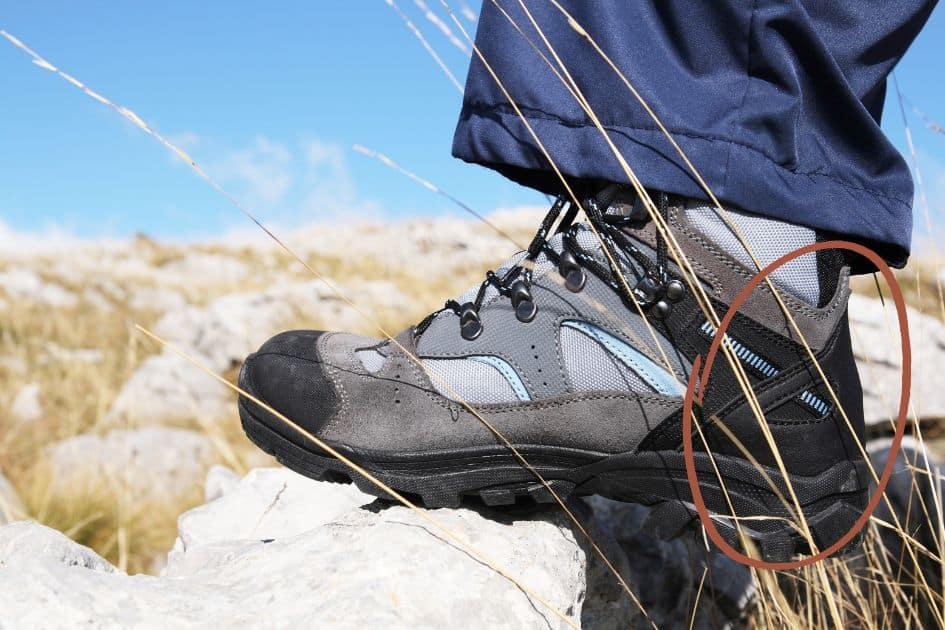
There are several reasons you can experience heel slippage in footwear. With new shoes and boots, it all comes down to
- Break in time. A new boot is stiff, and as you walk around and break them in, they will begin to flex. As the boots conform to your feet, your heel grips boots easier, and the movement should decrease and completely vanish within 2-3 days.
- Improper boot fit. There is too much space between your heel and rear of hiking boots
How to fix Heel Slippage
Tight shoes can cause blisters, and loose ones cause accidents. This is why finding the right fit is critical, especially if you’re hiking up a mountain – not walking through the mall.
The first step to tackling heel slippage in boots is to choose the right size. When shopping online or trying a new brand, that’s easier said than done at times.
Sizing
Do you have a wide foot or is it shaped more like a skateboard? Both narrow and wide feet causes shoes to fit poorly, and many people never bother to check on width, only length.
If you’re set on a specific brand, see if they offer different widths outside the normal range. A boot listed as an EEE is three times as wide as a normal shoe, while an 11B would be considered extremely narrow.
Boot Heel Insert
- HEEL PAIN RELIEF: The heel grips protect and…
- COMFORTABLE DESIGN: The soft, ergonomic design…
- HIGH-QUALITY MATERIAL: Super sticky backing is…
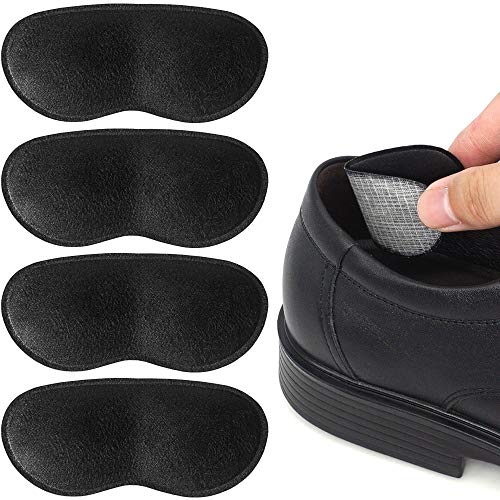
Heel pads are small pieces heel cushions designed to prevent heel slips. They are usually flat and flexible, resulting in a V-like shape once inserted. As you walk, these boot heel slip insert cradles your heels to prevent slipping. Heel pads can help the shoes fit better.
However, if you still encounter heel slippage, use insoles or toe pads to make your heel fit snugly. You can also use these if your shoe fit too loose.
When it comes to inserts, heel pads are the best choice for most people experiencing heel slippage. Not only do they fill some of the empty space in your boots. What’s more, they also provide a surface that provides friction, ensuring that your heel grips the inside of the boot.
When searching for heel pads, you should seek out ones made of durable yet comfortable material. In addition, you should seek ones with some sort of adhesive, so they don’t slide against your boot.
Insoles

An easy way to tighten up any loose-fitting boot or shoe is to choose an insole. There are several types of insoles, supportive and sport which freshen up your feet (in more ways than one). They also help with conditions like plantar fasciitis, over pronation, supination, misalignment in your body, and fallen arches.
Choose a mid to high volume insole to reduce the extra space in the back of the hiking boot, which will minimize heel slip. Too much volume can also lead to blisters and hot spots, which are preventable hiking injuries.
Needless to say, supportive insoles will also reduce slippage in some cases. If you’re considering going this route, be sure to give our list of the best insoles for hiking boots a look. We also recommend Tread Lab’s Ramble Insoles because of the multiple arch support heights and sizing. And with 1 million mile guarantee, these hiking boots insole will last longer than your boots.
Laces
If you choose the right size and still experience slippage, your next line of defense is the laces.
While there are certain techniques you can use, we’re going to talk about an accessory that can tighten things up. It’s a little-known trick used by runners around the globe.
Lace Locks
The Lock Lace was introduced in the late 90s, and this simple accessory was a game changer. They attach to your laces and allow you to tighten things up while ensuring your shoes stay tied. While not ideal for boots, a good lace lock can definitely tighten up a shoe and prevent heel slippage.

- No-tie Lacing System: Turn any pair of lace-up tennis shoes…
- Stretch Fit Comfort: Our elastic laces conform to your foot…
- Perfect For Everyone: Lock Laces, originally designed for…
Heel Lock Lacing
This is another technique used for shoes but will work with some boots as well. You don’t need to buy anything extra either as a “heel lock”. Involving a rarely used eyelet hole at the top of your shoes isn’t required. Want to see the technique in action? Check out the video below.
Tongue Pads

While there are several types of padding you can use to fill out a shoe; tongue pads are a popular option and ideal to prevent heel slippage in boots and shoes. Have one foot that’s a little bit larger than the other? Well, a tongue pad can take care of that as well.
These adhesive-backed accessories are generally made of foam and sit behind the tongue of your shoe. When placed properly they will tighten things up in the heel and are an affordable option that works in almost any type of footwear.
Liners and Non-slip socks
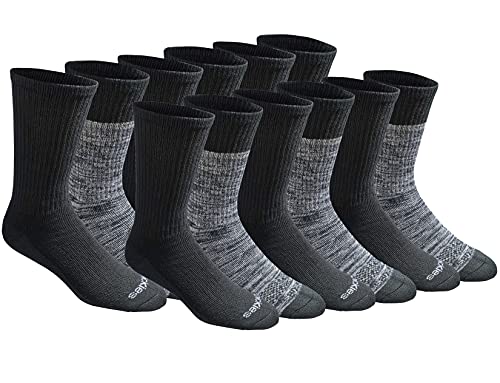
Have you ever seen socks with textured ridges on the bottom? These are called “non-slip” socks and are popular with folks who like to walk shoeless across hard surfaces.
On the downside, those ridges may bother people with sensitive feet. While thin, you may be able to feel them through the sock depending on the lining of your boot and other factors.
That alone will rule non-slip socks out for some although it’s hard to argue against comfy options like these affordable Dickie’s Anti Slip Socks.
Sock liners, on the other hand, are easier to deal with and quite common in the hiking world.
While often used as an extra layer against the damp and cold, they also work against heel slippage. The thickness of the liner makes a difference, and they come in a variety of lengths from no-show’s to socks that rise halfway up the calf.
The Final Word?
Heel slippage may seem like just bit of a nuisance, but it can cause damage to your feet over time or cause injuries on the trail.
Before you decide to grab a can of hairspray or double-sided tape to keep your heels from slipping, consider our tips and the footwear itself.
While quick fixes are tempting, you don’t want to walk around with chemicals on your feet, and the trickiest knot won’t do you any good if your shoes are a half size too large.
Need More Advice on Gear and Footwear?
Here are some links to our most popular articles:
- Women’s Boots for Mountaineering- Climb Any Mountain
- Best Men’s Mountaineering Boots for Your Adventures
- Get a Grip with Crampons- Ultimate Buying Guide
- 10 Best Climbing Shoes Every Hiker Should Own
Join our Facebook Group – Outdoor Gear Reviews, Deals, Hacks & Advice- Backpacking, Hiking & Camping to get the latest reviews, deals, and discounts on backpacking, camping, and hiking gear. Share tips, and advice and to show our love, we also give monthly gear giveaways.

Last update on 2022-12-23 / Affiliate links / Images from Amazon Product Advertising API